
Holter Monitoring: 24-Hour Heart Health Tracking Made Simple
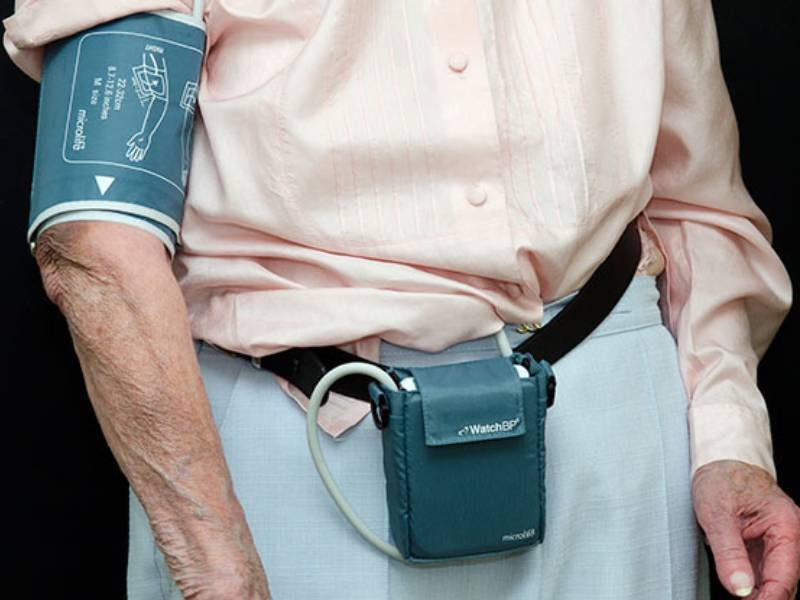
Holter monitoring is a non-invasive test that records your heart’s activity continuously for 24 to 48 hours. It uses a portable ECG (electrocardiogram) device, worn on your body, to track how your heart performs during normal daily activities.
Unlike a standard ECG that captures just a few seconds, a Holter monitor provides a full picture of your heart rhythm over time. This makes it a powerful diagnostic tool for detecting irregular heartbeats, unexplained dizziness, fainting spells, or symptoms that come and go.
Why You Might Need a Holter Monitor
Doctors often recommend Holter monitoring if you experience:
- Palpitations or irregular heartbeats
- Unexplained chest pain
- Lightheadedness or fainting episodes
- Unusual fatigue or shortness of breath
- Suspected arrhythmias or heart conditions
It’s also used to monitor the effectiveness of certain heart medications or pacemakers.
How Holter Monitoring Works
Step-by-Step Process:
- Device Placement
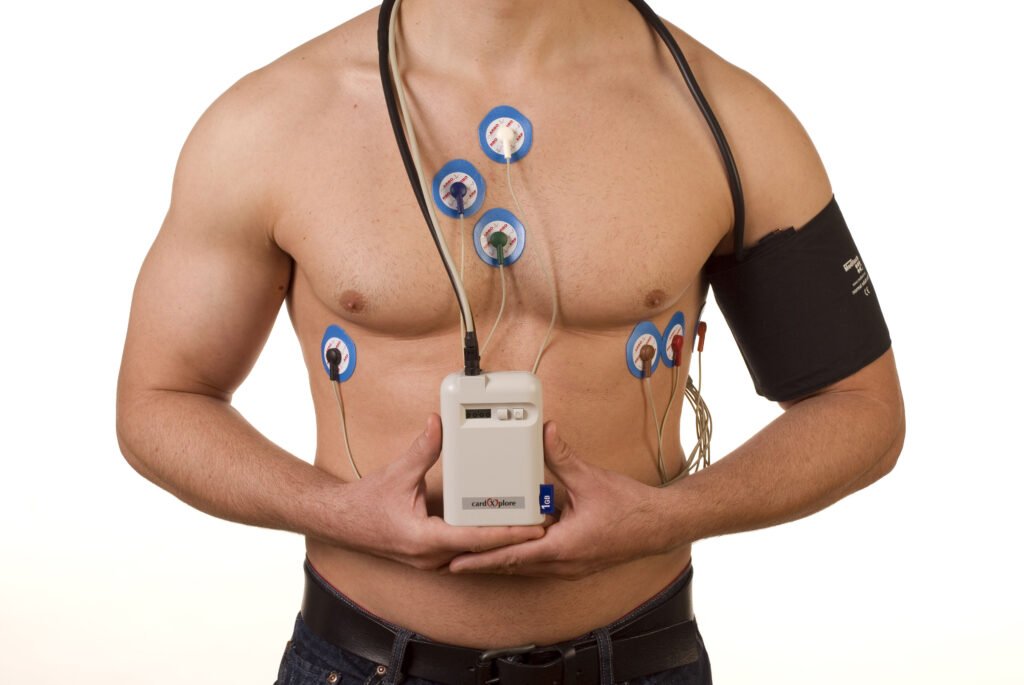
Small electrodes are placed on your chest and connected to a lightweight monitor, which you wear in a pouch or clip onto your clothing. - 24 to 48 Hours of Monitoring
You go about your normal routine while the device records your heart’s electrical activity continuously. - Symptom Diary
You’ll be asked to note any symptoms or activities during the monitoring period, which helps match heart data with specific events. - Data Analysis
After monitoring, the device is returned, and the data is analyzed by a cardiologist to identify any irregularities.
Benefits of Holter Monitoring
- Continuous monitoring provides more accurate detection of intermittent issues
- Non-invasive, painless, and easy to wear
- Helps identify heart conditions that standard ECGs might miss
- Supports early diagnosis and effective treatment planning
What to Expect During the Test
- No special preparation needed
- Avoid bathing or swimming while wearing the monitor
- Wear comfortable clothes and avoid magnetic or electrical interference
FAQ'S
What Is Holter Monitoring?
Holter monitoring is a non-invasive test that records your heart’s activity continuously for 24 to 48 hours. It uses a portable ECG (electrocardiogram) device, worn on your body, to track how your heart performs during normal daily activities.
Unlike a standard ECG that captures just a few seconds, a Holter monitor provides a full picture of your heart rhythm over time. This makes it a powerful diagnostic tool for detecting irregular heartbeats, unexplained dizziness, fainting spells, or symptoms that come and go.
Why You Might Need a Holter Monitor
Doctors often recommend Holter monitoring if you experience:
- Palpitations or irregular heartbeats
- Unexplained chest pain
- Lightheadedness or fainting episodes
- Unusual fatigue or shortness of breath
- Suspected arrhythmias or heart conditions
It’s also used to monitor the effectiveness of certain heart medications or pacemakers.
How Holter Monitoring Works
Step-by-Step Process:
- Device Placement
Small electrodes are placed on your chest and connected to a lightweight monitor, which you wear in a pouch or clip onto your clothing. - 24 to 48 Hours of Monitoring
You go about your normal routine while the device records your heart’s electrical activity continuously. - Symptom Diary
You’ll be asked to note any symptoms or activities during the monitoring period, which helps match heart data with specific events. - Data Analysis
After monitoring, the device is returned, and the data is analyzed by a cardiologist to identify any irregularities.
Benefits of Holter Monitoring
- Continuous monitoring provides more accurate detection of intermittent issues
- Non-invasive, painless, and easy to wear
- Helps identify heart conditions that standard ECGs might miss
- Supports early diagnosis and effective treatment planning
What to Expect During the Test
- No special preparation needed
- Avoid bathing or swimming while wearing the monitor
- Wear comfortable clothes and avoid magnetic or electrical interference
Holter Monitoring vs. Event Monitors
Feature | Holter Monitor | Event Monitor |
Recording Duration | 24–48 hours | Up to 30 days |
Recording Method | Continuous | Activated by user/symptom |
Best For | Frequent symptoms | Infrequent or random events |
Is Holter Monitoring Safe?
Yes. Holter monitors are completely safe. They do not emit electrical signals—only record them. The most common side effect is minor skin irritation from the electrodes.
Can I exercise while wearing a Holter monitor?
Yes, unless your doctor advises otherwise. Physical activity helps capture a wide range of heart rhythms.
Will it interfere with my daily routine?
Very little. Just avoid showering or swimming during the monitoring period.
How do I get my results?
After the test, a specialist reviews your data and sends a report to your referring doctor, usually within a few days.
Great — you’ve uploaded a screenshot of the “People Also Ask” box from Google search related to Holter Monitoring. These are gold for SEO because they show what real users are searching for.
Let’s integrate all of these into an FAQ section on the webpage to boost SEO and address user intent directly.
What is the cost of a Holter monitor test?
The cost of a Holter monitor test can vary depending on the clinic, location, and whether you have insurance. In general, prices range from $200 to $1,000. Contact your provider or insurance for exact details.
How much does a Holter test cost?
Without insurance, Holter test costs typically fall between $300 and $800, depending on the duration of the test (24 vs 48 hours) and the facility’s fees.
Can Holter monitoring be done at home?
Yes. Most Holter monitors are designed for home use. Once the device is placed, you can return home and go about your normal routine while it records your heart activity.
Which is better, ECG or Holter?
A standard ECG is great for detecting immediate heart issues during a short snapshot. A Holter monitor is better for detecting intermittent symptoms that happen throughout the day. Doctors often use both, depending on your symptoms.
What is the disadvantage of a Holter monitor?
The main drawbacks are:
- You can’t shower or swim during the monitoring period.
- The device can feel bulky or uncomfortable while sleeping.
- It may cause minor skin irritation from the electrodes.
How to sleep with a Holter monitor?
Sleep on your back or side, avoiding pressure on the device or wires. Wear loose clothing and secure the device to prevent tugging while you turn at night.
Can I use my phone while wearing a Holter monitor?
Yes. Most modern Holter monitors are shielded from electronic interference. However, keep your phone a few inches away from the device to be safe, and avoid sleeping with your phone next to the monitor.
Can you wear a bra with a Holter monitor?
Yes, but choose a loose-fitting or wireless bra to avoid disturbing the electrode placement. Your technician can help position everything comfortably.
Is it OK to shower with a Holter monitor?
No. Do not shower or bathe while wearing the monitor unless you’re specifically given a waterproof version (rare). Keep the device dry at all times.
Book Your Holter Monitor Test Today
Don’t ignore symptoms like irregular heartbeat or unexplained dizziness. Holter monitoring can give you and your doctor the answers you need. Schedule your test today.
👉 [Contact Us]
👉 [Book Appointment]
👉 [Learn More About Cardiac Testing]
Keywords Included:
- Holter monitor
- Holter monitoring test
- 24-hour ECG
- portable heart monitor
- continuous heart rhythm monitoring
- arrhythmia detection
- cardiac event monitoring
Book Your Holter Monitor Test Today
Don’t ignore symptoms like irregular heartbeat or unexplained dizziness. Holter monitoring can give you and your doctor the answers you need. Schedule your test today.