
Treadmill Test (TMT)
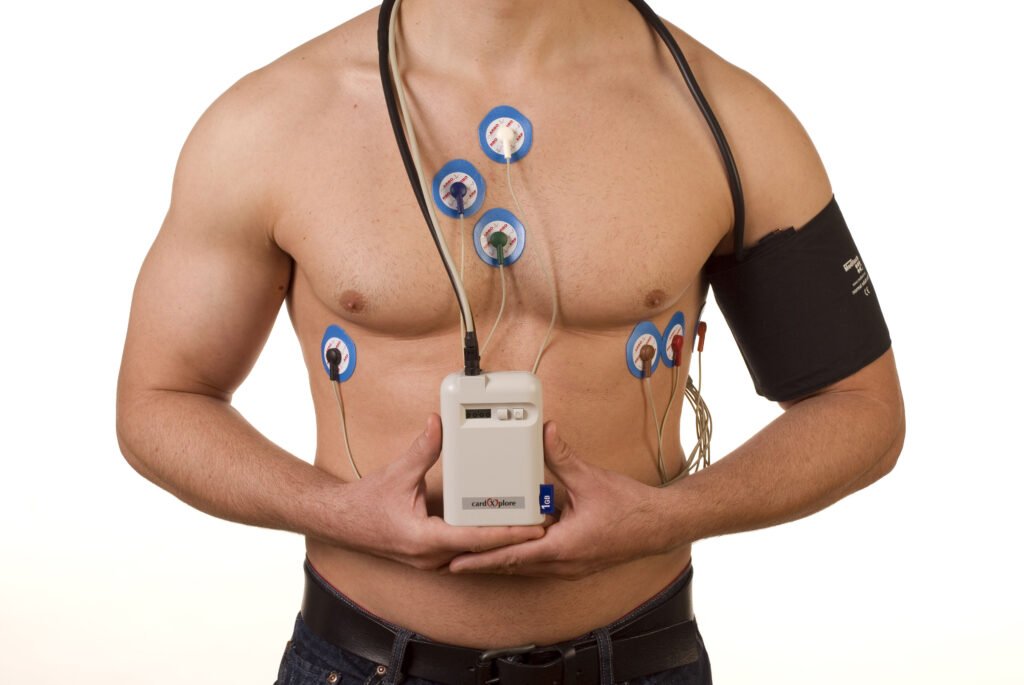
A Treadmill Test monitors the heart’s activity while you’re walking on a treadmill under increasing levels of difficulty. The idea is to stress the heart and observe how it performs when working harder than usual. Electrodes are attached to your chest to track electrical signals through an electrocardiogram (ECG or EKG).
Why Is a TMT Done?
Doctors recommend a TMT for several reasons:
- To check for blockages or narrowing in the coronary arteries
- To assess symptoms like chest pain, dizziness, or shortness of breath
- To evaluate the effectiveness of heart treatments
- To determine a safe level of exercise after a heart attack or surgery
- For routine screening in individuals at risk for heart disease
Who Should Get a TMT?
You may need a TMT if you:
- Have a family history of heart disease
- Experience chest discomfort during exertion
- Have high blood pressure, high cholesterol, or diabetes
- Are over 40 and lead a sedentary lifestyle
- Have had previous heart procedures or conditions
TMT Procedure: What to Expect
- Electrode Placement: Small patches are attached to your chest to record ECG data.
- Baseline Readings: Your heart rate, blood pressure, and ECG are recorded at rest.
- Treadmill Exercise: You’ll walk on a treadmill at increasing speeds and inclines.
- Monitoring: The test continues until you reach a target heart rate or show symptoms like fatigue or chest pain.
- Recovery: After exercise, readings are monitored as your heart rate returns to normal.
The whole process takes around 30–45 minutes.
Benefits of a TMT
- Non-invasive and low-cost
- Quick and informative
- Helps prevent serious cardiac events
- Useful for both diagnosis and monitoring
FAQ'S
Treadmill Test (TMT)
The Treadmill Test (TMT), also known as a Cardiac Stress Test or Exercise Stress Test, is a non-invasive diagnostic tool used to evaluate how your heart responds to physical exertion. It helps detect coronary artery disease, irregular heart rhythms, and other heart conditions.
What Is a Treadmill Test?
A Treadmill Test monitors the heart’s activity while you’re walking on a treadmill under increasing levels of difficulty. The idea is to stress the heart and observe how it performs when working harder than usual. Electrodes are attached to your chest to track electrical signals through an electrocardiogram (ECG or EKG).
Why Is a TMT Done?
Doctors recommend a TMT for several reasons:
- To check for blockages or narrowing in the coronary arteries
- To assess symptoms like chest pain, dizziness, or shortness of breath
- To evaluate the effectiveness of heart treatments
- To determine a safe level of exercise after a heart attack or surgery
For routine screening in individuals at risk for heart disease
Who Should Get a TMT?
You may need a TMT if you:
- Have a family history of heart disease
- Experience chest discomfort during exertion
- Have high blood pressure, high cholesterol, or diabetes
- Are over 40 and lead a sedentary lifestyle
- Have had previous heart procedures or conditions
How to Prepare for a TMT
Preparation is simple but important:
- Wear comfortable clothing and walking shoes
- Don’t eat or drink for 2–3 hours before the test
- Inform your doctor about all medications
- Avoid caffeine and smoking before the test
TMT Procedure: What to Expect
- Electrode Placement: Small patches are attached to your chest to record ECG data.
- Baseline Readings: Your heart rate, blood pressure, and ECG are recorded at rest.
- Treadmill Exercise: You’ll walk on a treadmill at increasing speeds and inclines.
- Monitoring: The test continues until you reach a target heart rate or show symptoms like fatigue or chest pain.
- Recovery: After exercise, readings are monitored as your heart rate returns to normal.
The whole process takes around 30–45 minutes.
Interpreting TMT Results
Your cardiologist will review:
- ECG changes
- Blood pressure and heart rate response
- Any symptoms experienced during the test
Possible outcomes:
- Negative/Normal TMT: No signs of significant heart problems.
- Positive/Abnormal TMT: Indicates potential coronary artery disease or other issues that require further testing.
Risks and Safety
TMT is generally safe and low-risk. Rare complications include irregular heartbeat, dizziness, or chest pain. It’s always performed under close medical supervision.
Benefits of a TMT
- Non-invasive and low-cost
- Quick and informative
- Helps prevent serious cardiac events
- Useful for both diagnosis and monitoring
Is TMT painful?
No. You may feel tired or winded, but the test itself isn’t painful.
How long does it take to get TMT results?
Usually within 24–48 hours, depending on your healthcare provider.
Can I take medications before a TMT?
Always ask your doctor. Some meds may affect the test outcome.
How much does a treadmill test cost?
The cost of a TMT can range from ₹1,000 to ₹3,500 in India, depending on the hospital, city, and whether it’s part of a cardiac package. In cities like Chennai, prices are generally between ₹1,500 and ₹2,500.
What is the charge of TMT?
Charges vary by provider. Government hospitals may offer it at subsidized rates, while private hospitals may charge more. Always check if your health insurance covers it.
Can TMT detect heart blockage?
TMT can suggest the possibility of blockages by showing abnormal ECG patterns during exertion. However, it doesn’t confirm blockages — further tests like angiography are needed for that.
What is the cost of TMT test in Chennai?
In Chennai, the cost of a TMT typically falls between ₹1,500 to ₹2,500, depending on the lab or hospital. Discounts or health packages may be available.
Is the TMT test good or bad?
The TMT is a useful, non-invasive tool for assessing heart function. It’s safe, widely used, and can provide early warning signs of heart disease. It’s neither “good” nor “bad” — it’s just diagnostic.
How many minutes is a TMT test?
The actual walking/running phase lasts about 15–20 minutes, but the full test — including prep and post-monitoring — takes around 30–45 minutes.
Is a treadmill test safe?
Yes, TMT is considered safe for most people. It’s done under medical supervision with emergency protocols in place. Minor risks like fatigue or dizziness may occur, especially if there’s an underlying heart issue.
What if TMT is positive?
A positive TMT indicates reduced blood flow to the heart during exercise. Your doctor may order further tests like echocardiography, angiogram, or recommend lifestyle changes and medications.
Can we eat before a TMT test?
Avoid heavy meals for 2–3 hours before the test. A light snack (if permitted by your doctor) may be allowed earlier. Water is usually fine.
Is TMT better than ECG?
They serve different purposes. ECG shows heart activity at rest, while TMT reveals how the heart handles stress. TMT can detect issues that don’t appear during a resting ECG.
Does treadmill test show blockage?
It can indicate possible blockages based on symptoms and ECG changes during exertion. But it doesn’t show exact location or severity. Imaging tests are needed for confirmation.
Does treadmill have side effects?
TMT is safe for most people, but potential side effects include:
- Fatigue
- Shortness of breath
- Dizziness
- Mild chest discomfort
These are typically temporary and monitored closely by medical staff.
Book Your TMT Appointment Today
Don’t ignore your heart health. If you’re experiencing symptoms or have risk factors for heart disease, a Treadmill Test can give you critical insights. Book your TMT today and take the first step toward a healthier heart.
Book Your TMT Appointment Today
Don’t ignore your heart health. If you’re experiencing symptoms or have risk factors for heart disease, a Treadmill Test can give you critical insights. Book your TMT today and take the first step toward a healthier heart.